

Imagine you're a procurement manager at a growing consumer goods company. You've just discovered that one of your top suppliers, the one responsible for 30% of your inventory, is violating labor standards in its overseas factories. Switching suppliers means delays, higher costs and a difficult conversation with your CFO. Staying means disregarding workers being treated unfairly.
What would you do?
Ethical decisions in business are rarely black-and-white. They live in the gray areas, like competing pressures, complex supply chains or stakeholder expectations that don't always align, for example. The companies and leaders who navigate these moments well aren't improvising, but operating from a clear, deliberate ethical framework that shapes not just individual decisions, but entire organizational cultures.
As the business world grows more transparent and more interconnected, ethical business principles have become less of a "nice to have" and more of a strategic imperative.
What Is an Ethical Business Practice?
At its core, an ethical business practice is the application of moral principles to how a company operates day-to-day.
Business ethics applies across every dimension of an organization, including how it treats its employees, sources its materials, communicates with customers and makes decisions under pressure. Ethical business practices apply moral principles to ensure fairness, honesty and respect in leadership and daily operations.
Ethics goes beyond legal compliance. Business practices and ethics aim to balance the pursuit of profit with ethical considerations, recognizing that long-term success often depends on maintaining trust, integrity and a positive reputation.
The core pillars that define ethical business behavior include:
- Transparency: being open about how decisions are made, how data is used and how the company operates
- Accountability: taking ownership of outcomes, including mistakes
- Fairness: ensuring equitable treatment across employees, customers and partners
- Integrity: doing what you say you'll do, consistently
- Social responsibility: recognizing that business decisions have an impact beyond the bottom line
Core Types of Business Practices and Ethics
Ethical business practices aren't a single policy or initiative, but span every function of an organization. Here's a look at the key categories:
- Environmental responsibility: reducing carbon emissions, sourcing sustainably, minimizing waste and managing the company's ecological footprint
- Fair labor and workplace equity: ensuring safe working conditions, pay equity and equal opportunities for advancement regardless of background
- Transparent marketing and communications: honest advertising, clear pricing and no misleading claims about products or services
- Supply chain ethics: holding vendors and partners to the same ethical standards the company applies internally, including fair labor and environmental practices
- For a deeper look at how organizations put this into practice, see our blog on ethical procurement and sustainable supply chain management
- Corporate governance: maintaining whistleblower protections, anti-corruption policies and board accountability structures that support ethical decision-making at the highest levels
- Data privacy and consumer protection: handling customer and employee data responsibly, with clear policies on how information is collected, stored and used
Ethical Business Practices Examples in Action
What does this look like when real companies put it into practice? Explore four examples of ethical business practices in companies across different industries.
Consumer Goods: Patagonia
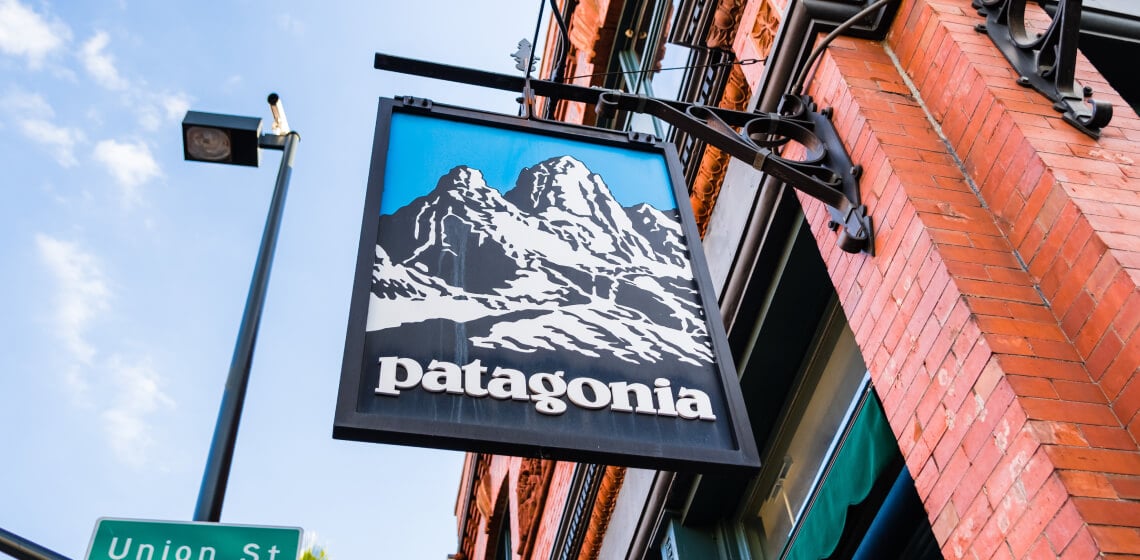
Patagonia is one of the most frequently cited examples of corporate ethics. The outdoor apparel brand has built its entire identity around environmental responsibility and supply chain ethics, treating both not as marketing angles but as operational commitments.
The company uses recycled materials across its product lines, sources renewable energy for its operations and has been a Fair Trade–certified employer, ensuring living wages exist throughout its supply chain. When Patagonia founder Yvon Chouinard transferred ownership of the company to a trust dedicated to fighting climate change in 2022, it sent a clear message: values aren't just a campaign but a structural choice.
The outcome for the brand? Deep-seated customer loyalty. Patagonia serves as a prime example of how a values-based approach and commercial growth are not only compatible but can actually drive one another.
Technology/Consulting: Accenture
For large-scale global organizations, embedding ethical practices enterprise-wide is a significant operational challenge. Accenture is a compelling example of how it can be done at scale.
Accenture has reached 100% renewable electricity usage globally and reduced its Scope 1 and 2 emissions by over 89%, with science-based targets on track to cut 90% of all carbon emissions by 2040. The company has also earned recognition from Ethisphere as one of the World's Most Ethical Companies for 18 consecutive years, reflecting a sustained, institutionalized commitment that goes well beyond one-time sustainability initiatives.
Insurance/Financial Services: Aflac
In the financial services sector, where trust is the product, corporate ethics aren't optional but foundational. Aflac illustrates what a rigorous internal ethics infrastructure looks like in practice.
Aflac's approach to corporate ethics includes a strong internal governance structure featuring a global Code of Conduct, non-retaliation whistleblower channels and regular ethics training across the organization. Its procurement practices are guided by fairness, legal compliance and environmental considerations, extending ethical accountability into the supply chain. Through the Aflac Foundation, the company has contributed over $173 million to pediatric cancer care, reflecting a commitment to social responsibility that goes beyond compliance.
Retail: Warby Parker
Warby Parker entered the eyewear market with a direct-to-consumer model built on transparent pricing, honest marketing and a buy-one-give-one social mission. Rather than obscuring costs or using opaque pricing structures common in the industry, the brand made clarity a selling point.
Its "Buy a Pair, Give a Pair" program has distributed millions of pairs of glasses to people in need globally, integrating social impact into the core business model rather than treating it as a separate philanthropic effort. Warby Parker demonstrates that consumer-facing retail brands can operationalize ethics visibly, and that customers notice and reward it.
To learn how companies operationalize ethics through consulting and strategy, explore our blog: From Profit to Purpose: The Rise of Social Impact Consulting